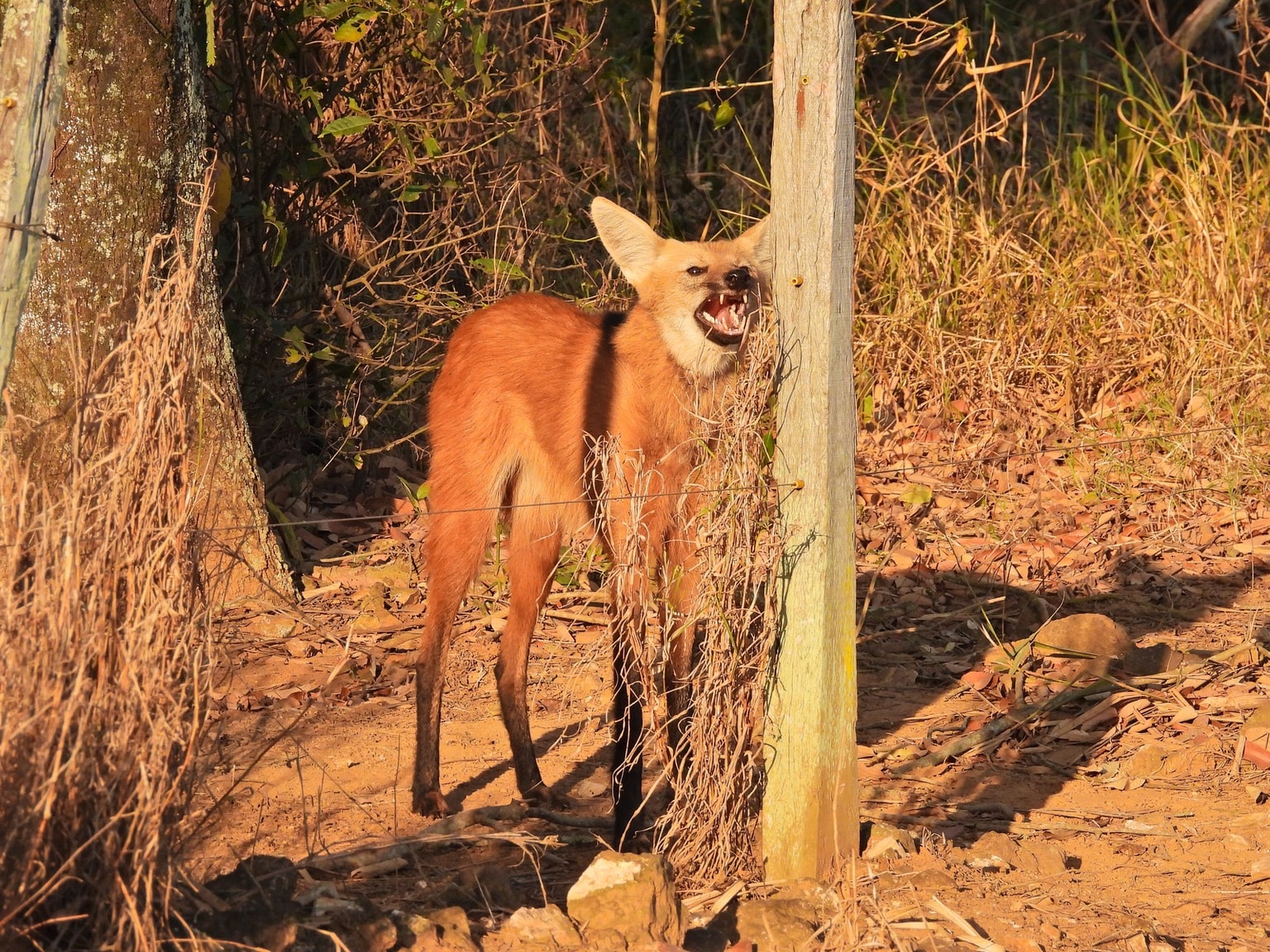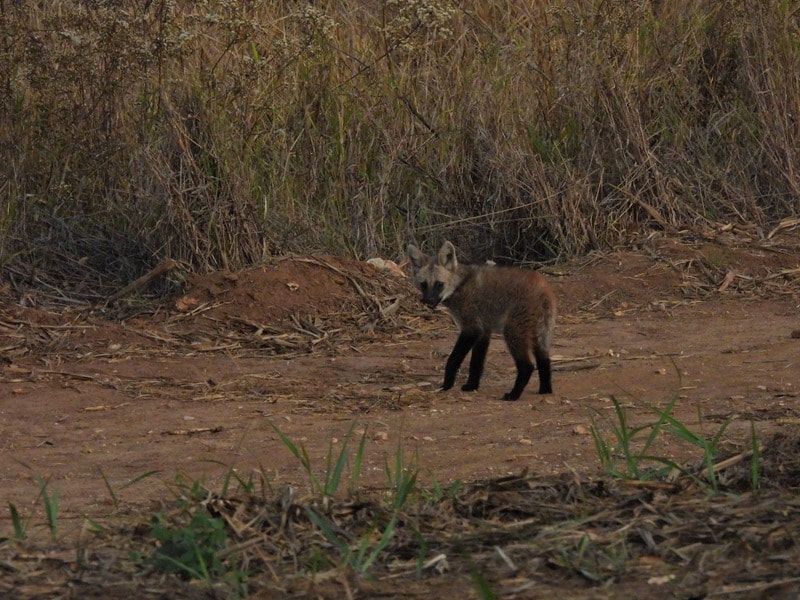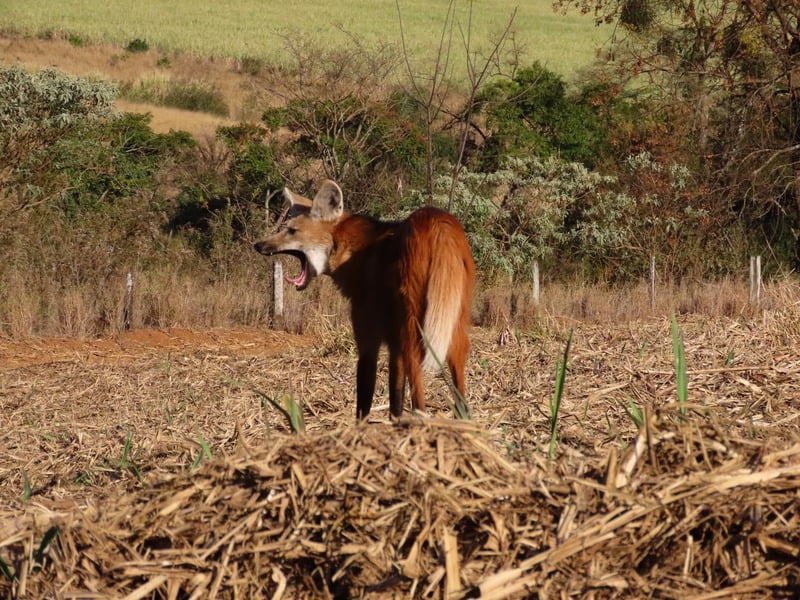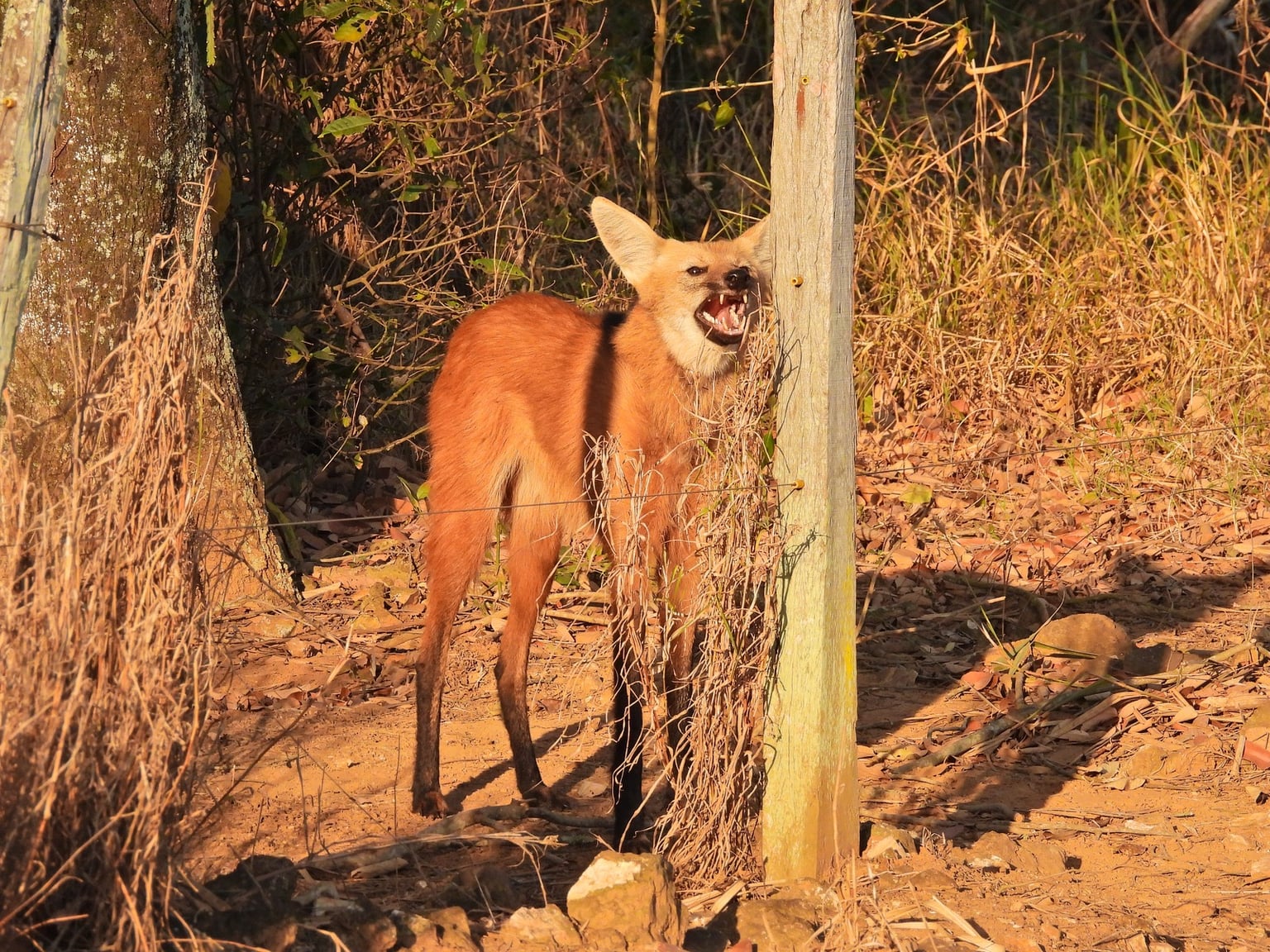

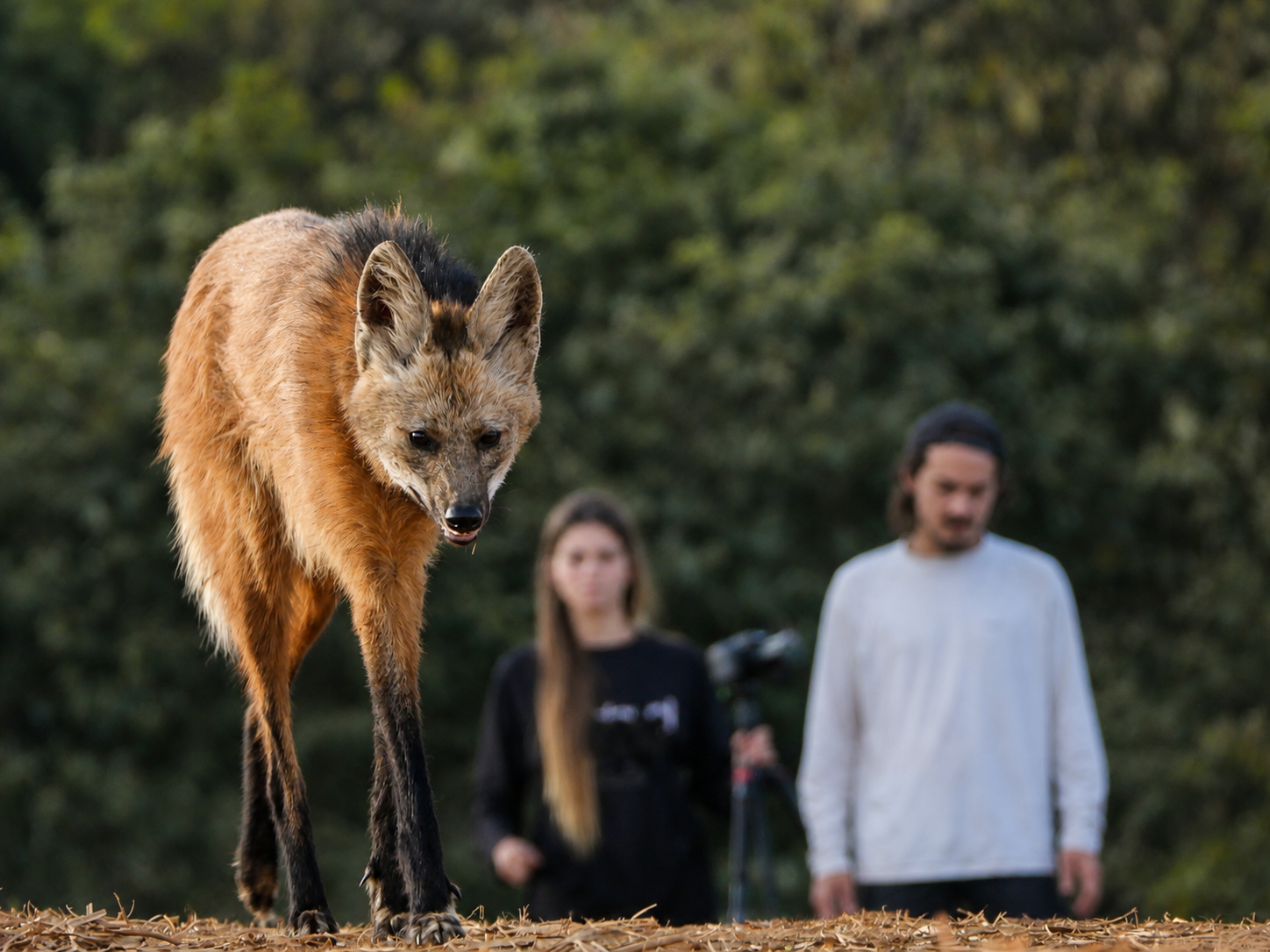
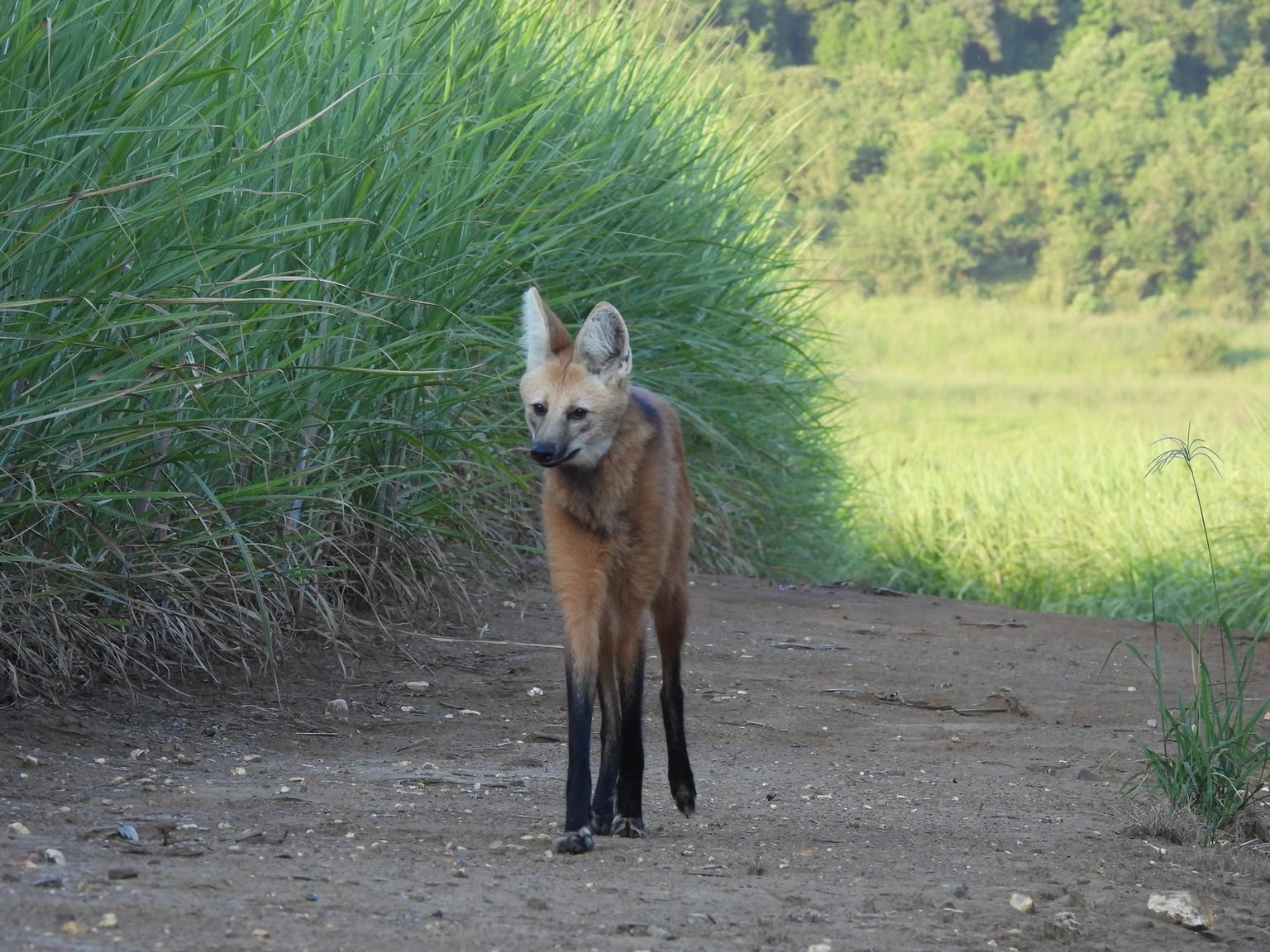
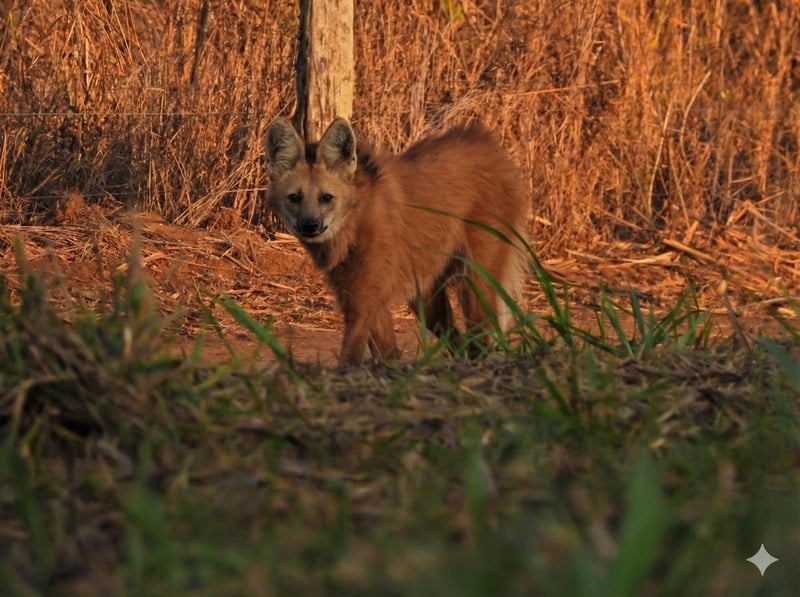
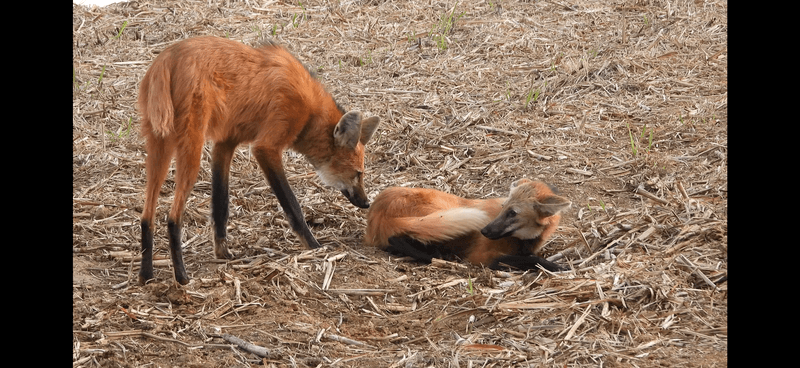
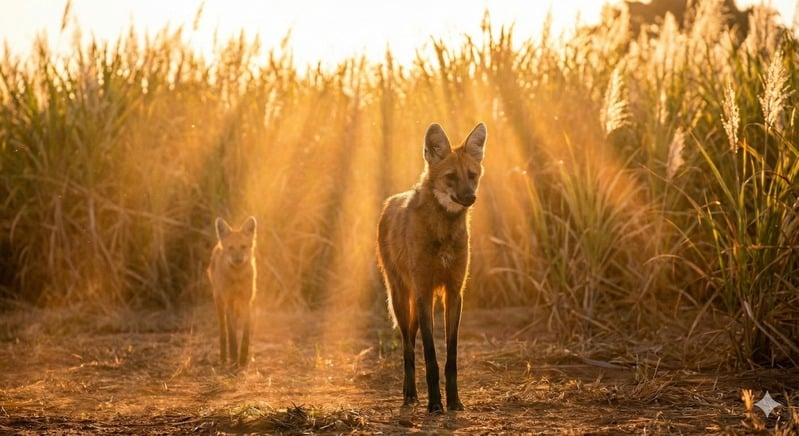
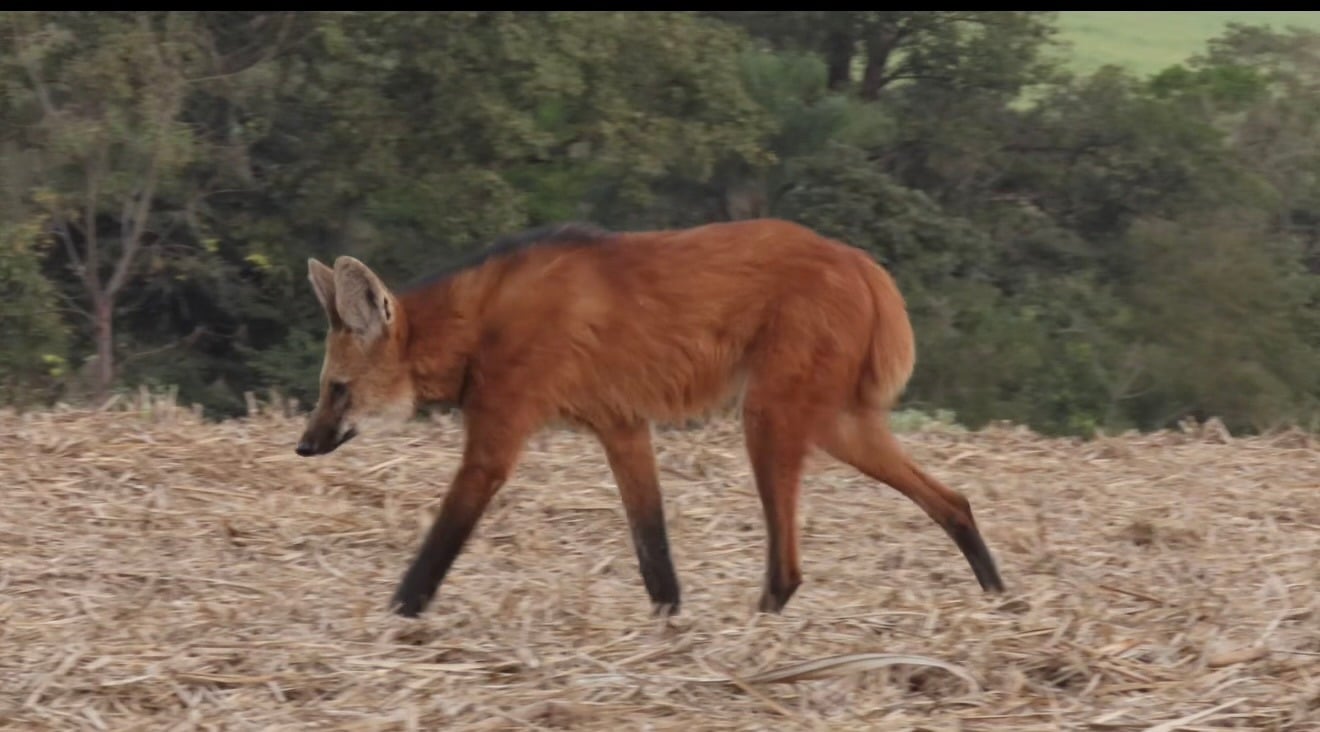
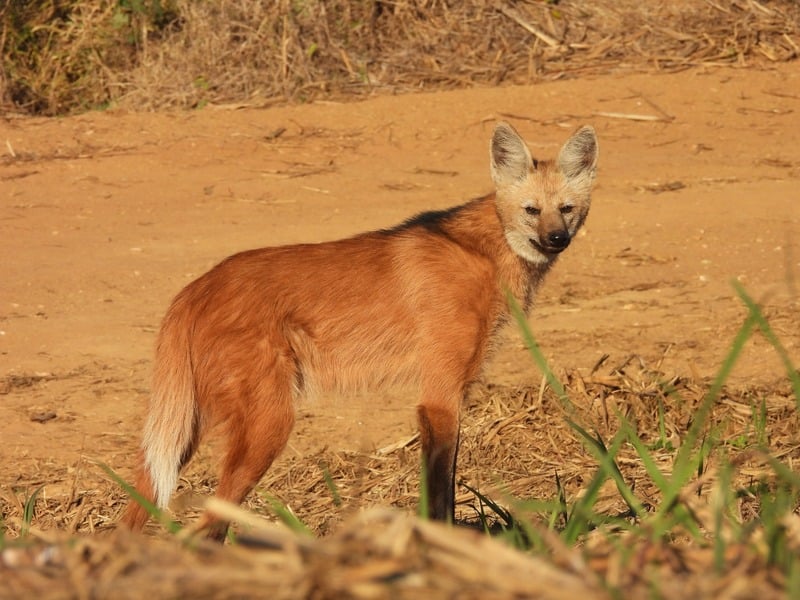
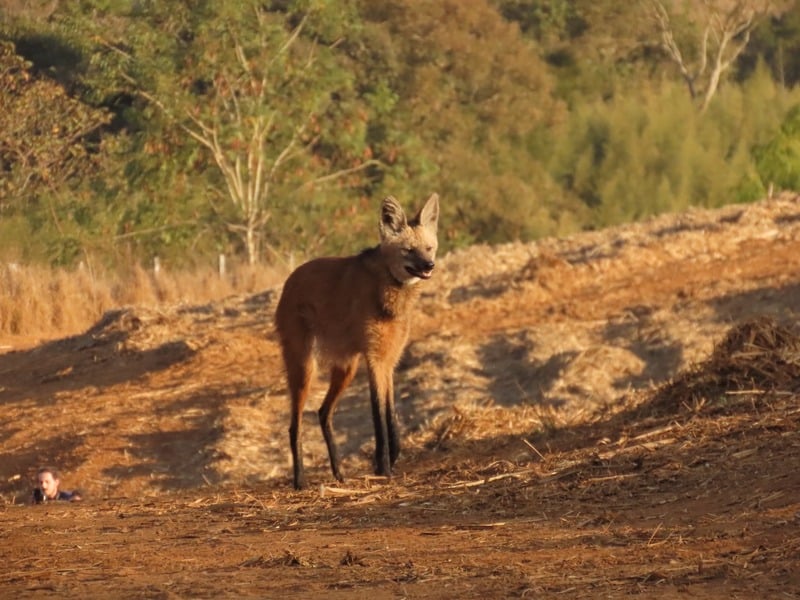
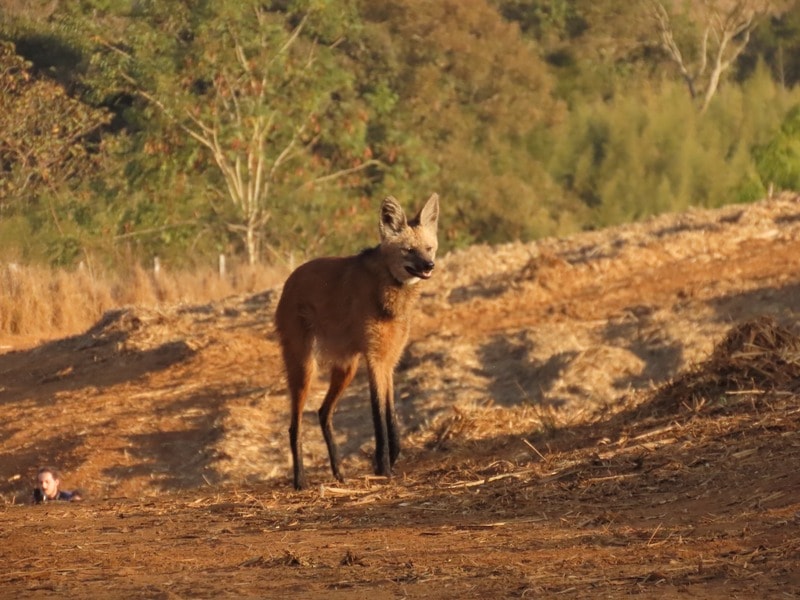
Amid sugarcane fields, highways and fragmented forests, the largest canid in South America endures in inland São Paulo.

Iracemápolis, Santa Gertrudes, Piracicaba, Limeira and Cordeirópolis are home to a maned wolf population that must be protected.

Our mission

Know to protect

We want to make sure the maned wolves keep existing in the region in the future. To do so, we work to reduce the threats that put the species at risk and to turn knowledge into real protection.

About the projectAbout the project
Lobo-guará no Cerrado
Lobo-guará em movimento
Lobo-guará no campo aberto
Lobo-guará observando
Lobo-guará no entardecer
Lobo-guará caminhando
Lobo-guará entre vegetação
Lobo-guará no habitat
Lobo-guará no Cerrado
Lobo-guará em movimento
Lobo-guará no campo aberto
Lobo-guará observando
Lobo-guará no entardecer
Lobo-guará caminhando
Lobo-guará entre vegetação
Lobo-guará no habitat
The symbol of the Cerrado

Each one has a name, a territory, and a story.

Knowing them is the first step to protecting them.

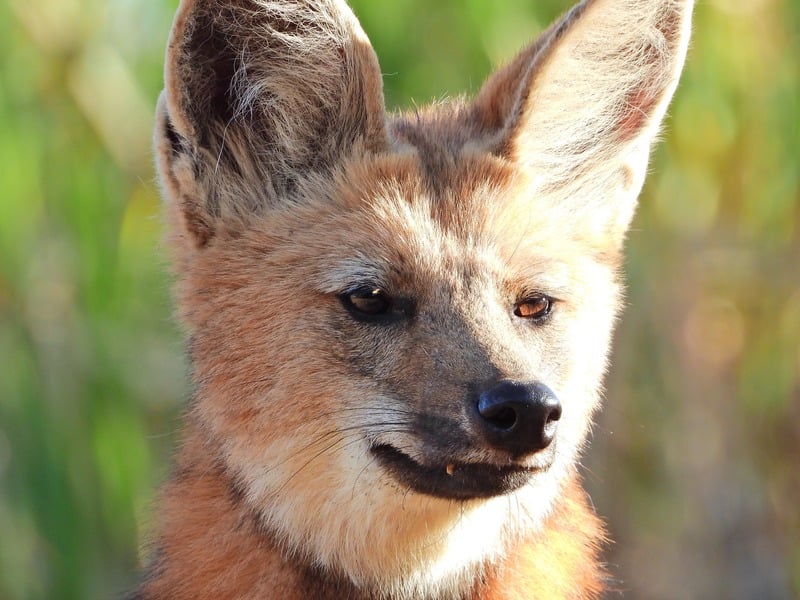
Close-up of a maned wolf's face in the Cerrado
The maned wolf

The largest canid in South America

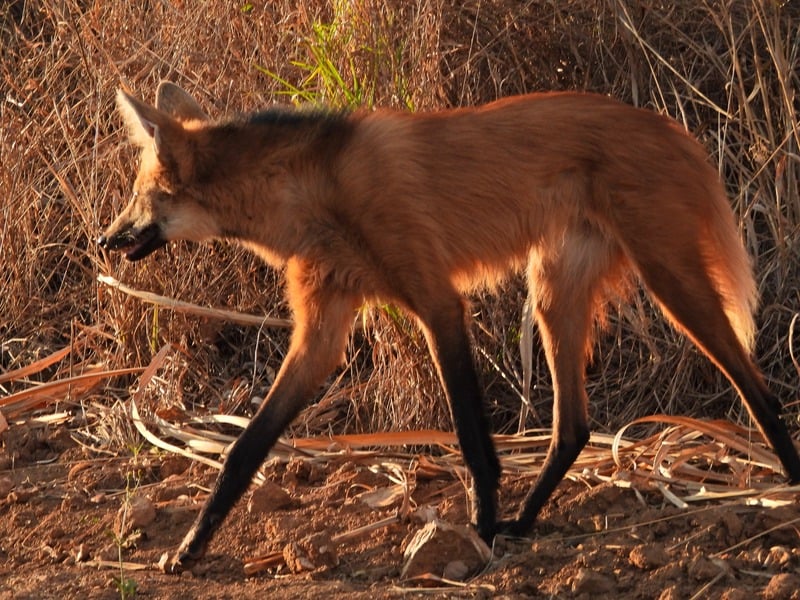
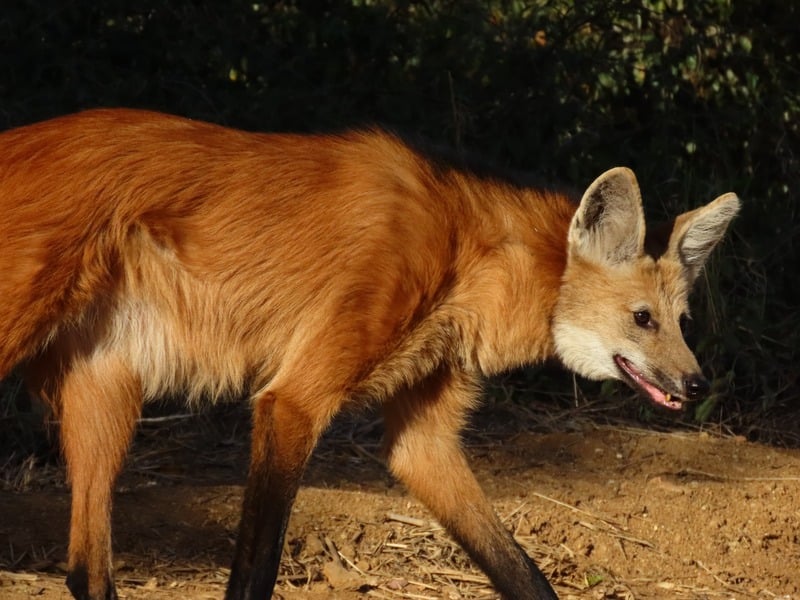
Chrysocyon brachyurus, the golden short-tailed dog, is the only species in the genus Chrysocyon. It belongs to the canid family but is neither wolf nor fox: it's a creature of its own, with unique characteristics.

Its golden coat shines in the Cerrado sun, its long, slender legs make it look like it's walking on stilts, and its howl, called an "aulido," echoes across inland São Paulo.

Meet the maned wolfMeet the maned wolf
Our study area

179 km² of São Paulo's Cerrado monitored by science

Iracemápolis · Santa Gertrudes · Cordeirópolis · Limeira · Piracicaba

17 maned wolves catalogued so far

Coexistence

Coexist, don't cohabit. The difference that saves lives.

Cohabiting means closeness and direct contact, a trap for wild animals. They lose their fear of people, become dependent on easy food, and end up exposed to diseases, road accidents, and fatal conflicts.

Coexisting means sharing the same region, but each one in its own space. The maned wolf stays 100% wild, finding its own food, avoiding humans, staying free. That's how it survives.

See the challengesSee the challenges
Two maned wolves coexisting in São Paulo's Cerrado

Methodology

How we study the wolves

Active monitoring

We track and record 24 hours a day the presence and activity of every maned wolf in our study area.

Identification

We individualize each wolf by its coat pattern, body marks, tail shape and other distinctive features.

Behavior

We analyze how each wolf interacts with other individuals, other species, the environment and human activities.

Tracks and signs

We look for footprints, markings and droppings left in the environment — clues that reveal routines and ranges.

Support the project

Make a donation and help save the Lobos de Iracema

Move the slider below and see what your contribution funds. Then choose the amount on the side and finalize the donation.

100% directed to conservation · Secure payment via ASAAS

Make your donation

Choose an amount and continue to finish securely via ASAAS.

Choose your monthly contribution amount:

R$
Monthly amount: R$ 50/month
Conservation · Research · Education

Your donation keeps the project alive

DNA analyses, monitoring expeditions, and educational materials only exist because people like you care about maned wolf conservation.

I want to donateI want to donate

100% directed to conservation

Sarna sarcóptica: como essa doença ameaça os lobos do Cerrado paulista
Featured

Ameaças

Sarna sarcóptica: como essa doença ameaça os lobos do Cerrado paulista

Transmitida principalmente por cães domésticos não vacinados na zona rural, a sarna sarcóptica é uma das principais ameaças aos lobos da nossa região.

12 de maio de 2026 6 min read
Read articleRead article

Content

Learn about conservation and coexistence

Join the cause

Ready to help save the maned wolf?

Your donation funds science with real impact: DNA analyses, monitoring expeditions, and environmental education materials. Every contribution keeps the project alive.

Report a sighting
100% directed to conservation Recurring or one-time Real-impact research